
Why Luxury Villas in Phuket Fail Housekeeping Audits
Most failures are not cleaning failures. They are systems failures — and they are predictable, measurable and preventable.
- Most failed audits stem from absent or unenforced standard operating procedures, not from inattentive staff.
- Phuket's humid, salt-air climate accelerates wear and exposes weak systems within a single high season.
- Inspection cadence, photographic verification and inventory accountability separate top-quartile villas from the rest.
- Operational drift is invisible until guests notice — by then, recovery costs multiply.
The real failure is not the cleaning
When a luxury villa fails a housekeeping audit, the conversation often turns to the housekeeper. This is the wrong conversation. In our operational experience across Phuket properties, the underlying cause is almost always architectural: missing SOPs, untracked inventory, unstandardised turnover times, and no recorded inspection trail.
Cleaning is the visible outcome. Systems are the invisible cause. Properties that consistently pass audits run on documented workflows; properties that fail run on individual memory.
Five failure patterns we observe repeatedly
Across estate-level inspections in Phuket, five operational patterns account for the majority of failed audits:
- 01No room-specific checklist. Staff clean from habit, and habits drift.
- 02No photographic verification at completion. Issues only surface when a guest reports them.
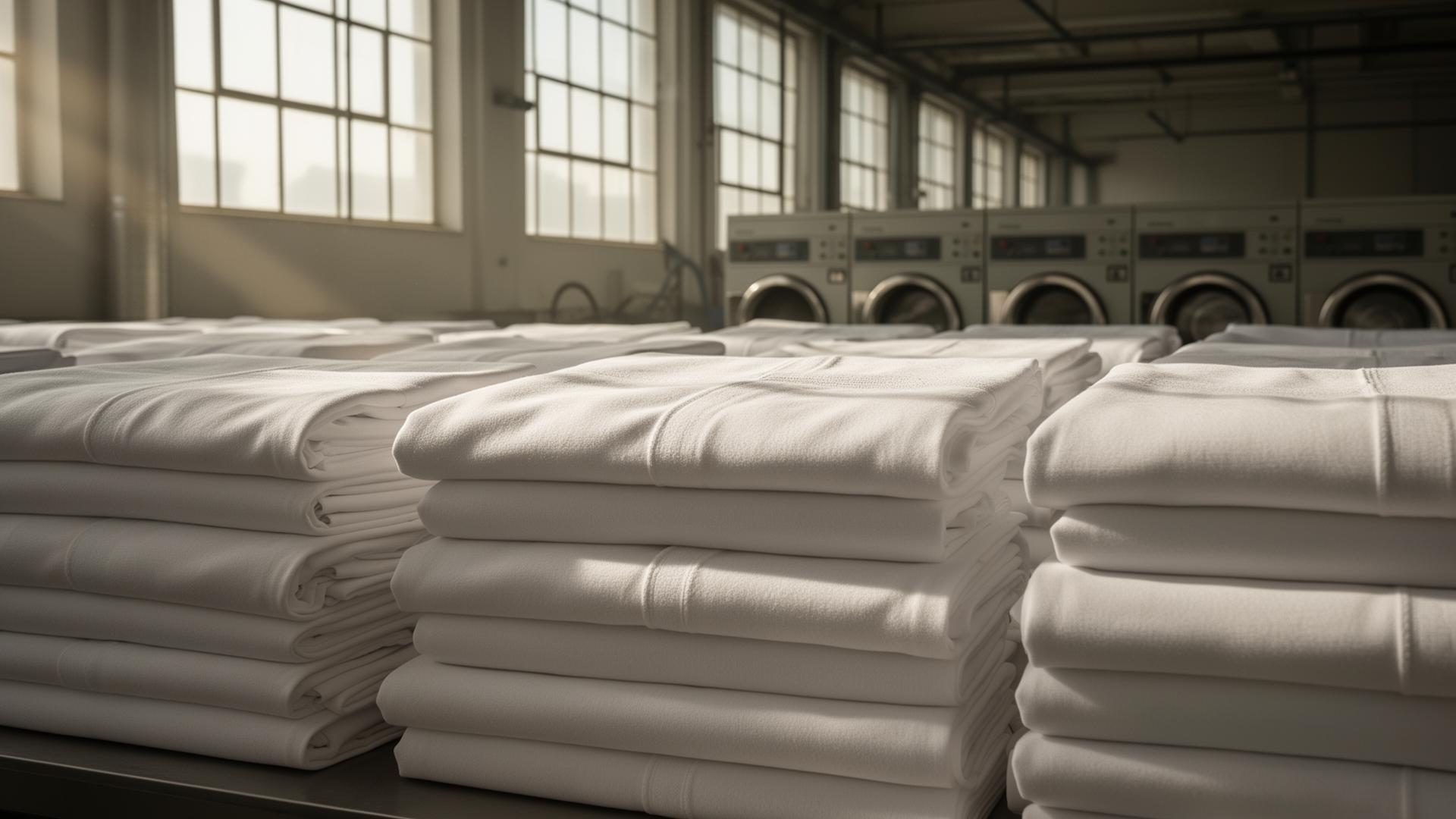
- 03Inconsistent linen handover. Counts, condition, and rotation are tracked informally or not at all.
- 04Climate-blind protocols. Standard cleaning chemistry and frequency are not adapted for tropical humidity, salt corrosion, or monsoon mould pressure.
- 05Operational silos. Cleaning, laundry, maintenance and front-of-house operate as separate vendors with no shared reporting layer.
Why Phuket's climate punishes weak systems
Phuket's average relative humidity sits between 70% and 90% for most of the year, and ambient temperatures rarely fall below 25°C. These conditions are biologically and chemically aggressive. Mildew colonises grout in days. Salt air pits brass and stainless steel. Untreated linens develop yellowing within a season.
A cleaning protocol designed for temperate Europe will quietly degrade a Phuket villa over six months. By the time auditors arrive, the deterioration is structural — and not recoverable through a single deep clean.
The luxury guest expectation gap
Guests paying USD 1,500 to USD 8,000 per night benchmark against the Aman, the Six Senses, the Trisara. They notice grout discolouration, watermarks on glassware, and the smell of damp upholstery before they notice an excellent welcome basket.
The gap is not between staff effort and guest expectation. The gap is between informal property management and the engineered hospitality operations the brand category requires.
What an audit-ready villa actually runs on
Properties that consistently pass third-party housekeeping audits share a recognisable operational signature:
- Room-by-room SOPs with photographic completion proofs uploaded to a shared log.
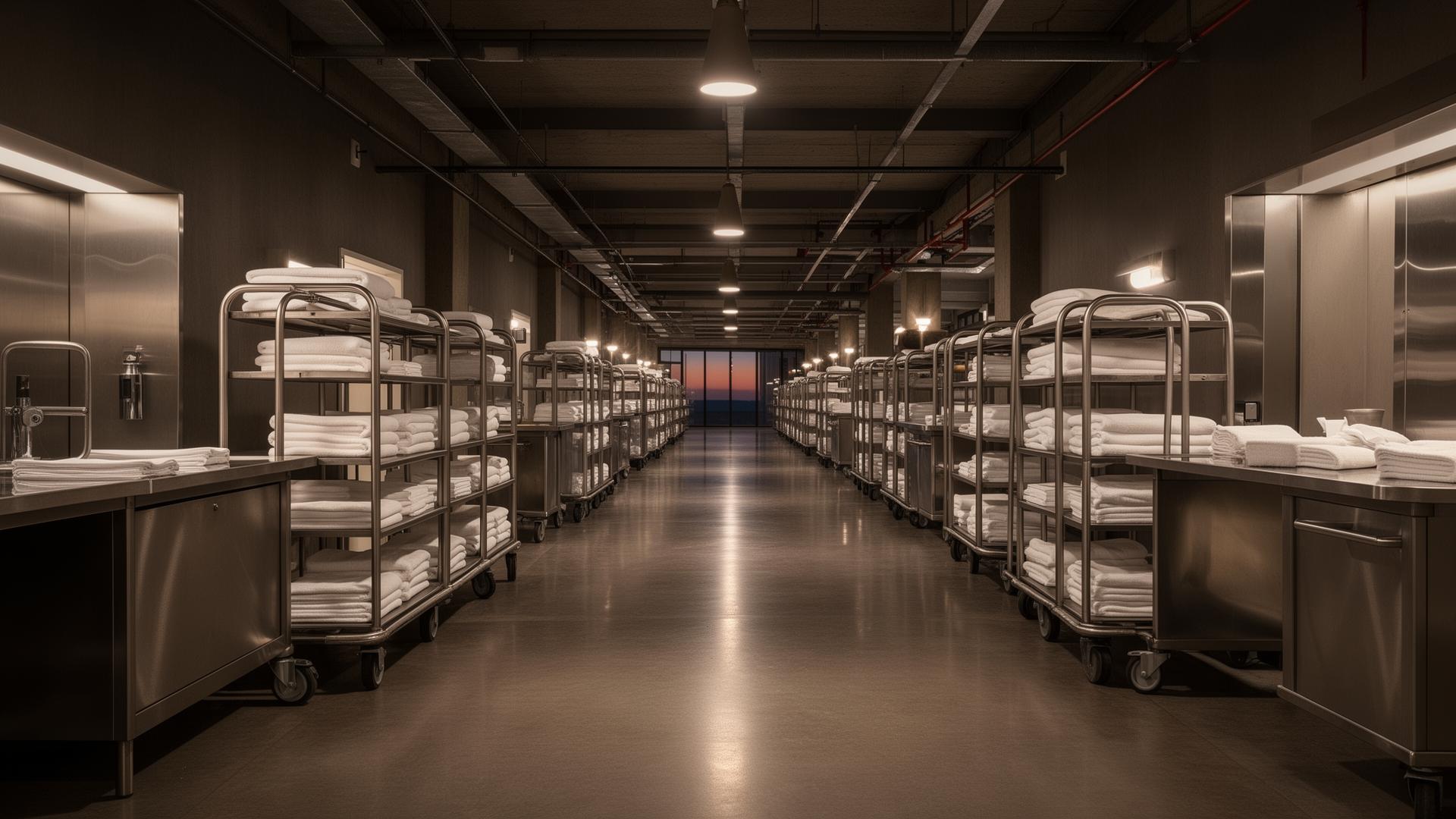
- Linen rotation and inventory ledgers reconciled weekly, with par-stock thresholds.
- Climate-specific cleaning chemistry (anti-mould rotation, anti-corrosion polishes for fixtures).
- Weekly QA walks performed by a supervisor who is not the cleaner.
- An incident-and-fix log linking observations to corrective actions within 48 hours.
Closing the gap is a 60-day operational rebuild
A well-managed villa can move from "failing audits" to "audit-ready" inside two months if leadership commits to written SOPs, an inspection cadence, and a single operations partner accountable for the full housekeeping ecosystem.
This is the discipline behind the world's most respected luxury properties. It is not glamorous. It is, however, the work that makes the glamour believable.
Frequently asked
How often should a luxury villa in Phuket be inspected?
We recommend daily completion checks performed by the cleaning lead, a weekly supervisor walk-through, and a monthly third-party audit benchmarked against five-star hotel standards.
What is the most common audit failure in Phuket villas?
Inconsistent linen handover and mould pressure in bathrooms and outdoor spaces. Both are SOP failures, not labour failures.
Can a single operations partner manage cleaning, laundry and inspection together?
Yes — and consolidating these functions under one operational partner typically reduces audit failures and total cost compared to managing separate vendors.
References & further reading
- 01American Hotel & Lodging Association (AHLA)Lodging Industry Reports & Standards
- 02U.S. Centers for Disease Control and Prevention (CDC)Environmental Cleaning & Disinfection Guidance
- 03Textile Rental Services AssociationTRSA Hygienically Clean Standards for Hospitality Textiles
- 04Tourism Authority of ThailandTourism Statistics for Phuket & Thailand
Reader Commentary
Be the first to contribute to the conversation.