
How Phuket's Climate Impacts Mould, Linen and Property Maintenance
Phuket is one of the most operationally aggressive climates in the global hospitality industry. The properties that thrive here are engineered for it.
- Phuket's relative humidity and salt-air load are operationally aggressive year-round — not only during monsoon.
- Mould pressure is the most consistent maintenance variable, with measurable impact on guest experience.
- AC system discipline is a hygiene issue, not a comfort issue — neglected systems are biological reservoirs.
- Textile storage protocols must be climate-adapted; temperate-climate practices fail visibly within a season.
Phuket's climate, operationally
Phuket sits in a tropical monsoon climate zone. Relative humidity typically ranges between 70% and 90% year-round. Annual rainfall exceeds 2,200 mm, concentrated in the May–October monsoon. Salt air from the Andaman Sea is constant.
For hospitality operations, these conditions are not background. They are the primary variables shaping mould pressure, textile lifecycle, fixture corrosion, AC microbiology and exterior maintenance frequency.
Mould pressure: the most consistent maintenance variable
Per U.S. EPA guidance on mould in buildings, microbial growth becomes likely whenever relative humidity exceeds approximately 60% on porous surfaces for sustained periods. In Phuket, that threshold is the baseline condition.
Operationally, this means grout, sealants, soft furnishings, wardrobes and AC drainage are perpetually under biological pressure. Properties that ignore this report mould events as crises; properties that engineer for it report them as routine maintenance — caught early and resolved in days.
AC systems are a hygiene category, not a comfort category
Air-conditioning systems in tropical hospitality are biological systems. Drainage pans, filters, evaporator coils and ductwork accumulate moisture-loving microbial growth that becomes airborne in occupied rooms. The smell guests describe as "musty" is, in practice, a hygiene signal.
Premium properties operate a documented AC maintenance cadence — coil cleaning, drain treatment, filter rotation, indoor air-quality validation — independent of guest complaints. This is one of the highest-leverage operational disciplines in tropical hospitality.
Textile storage must be climate-adapted
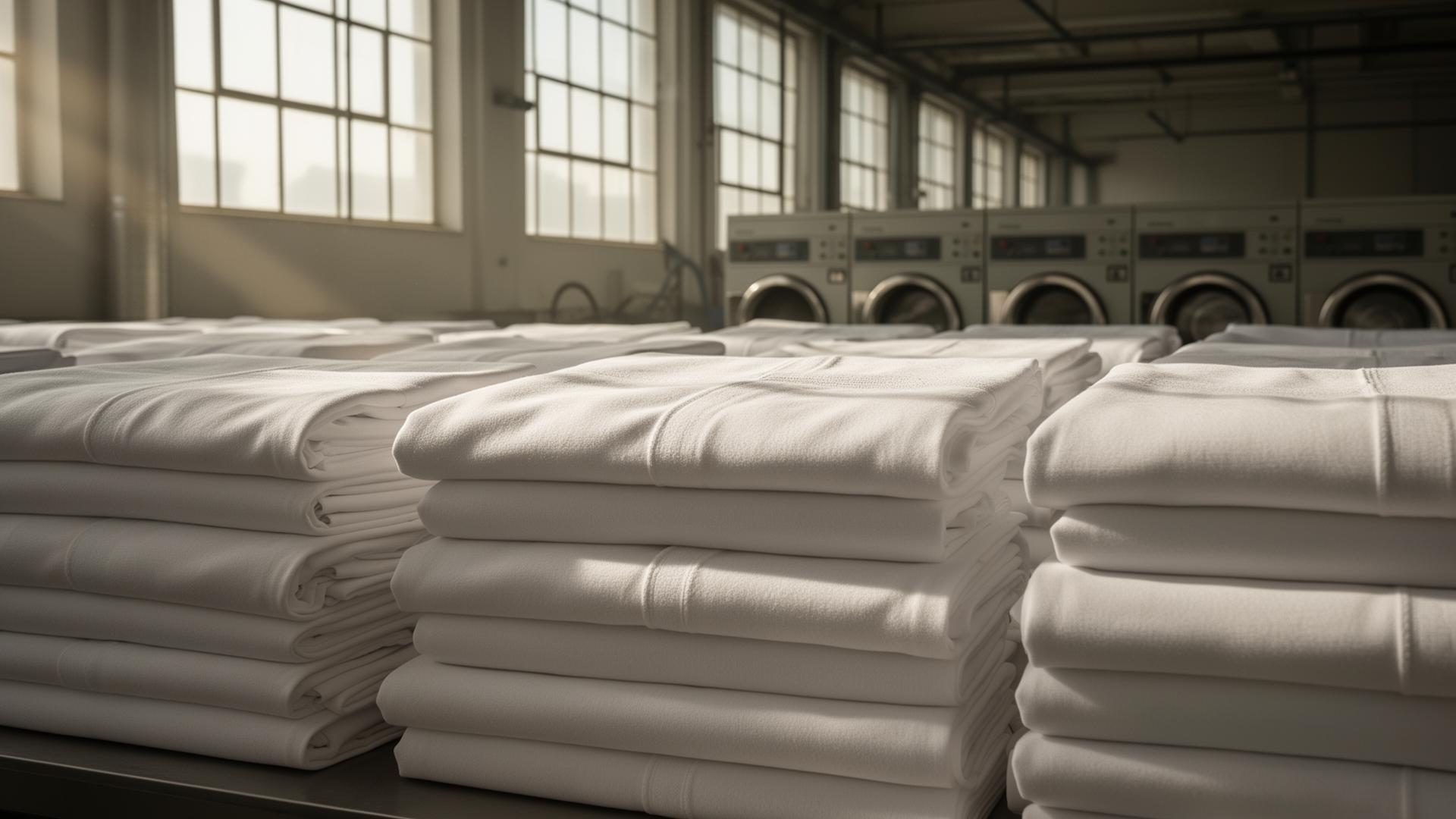
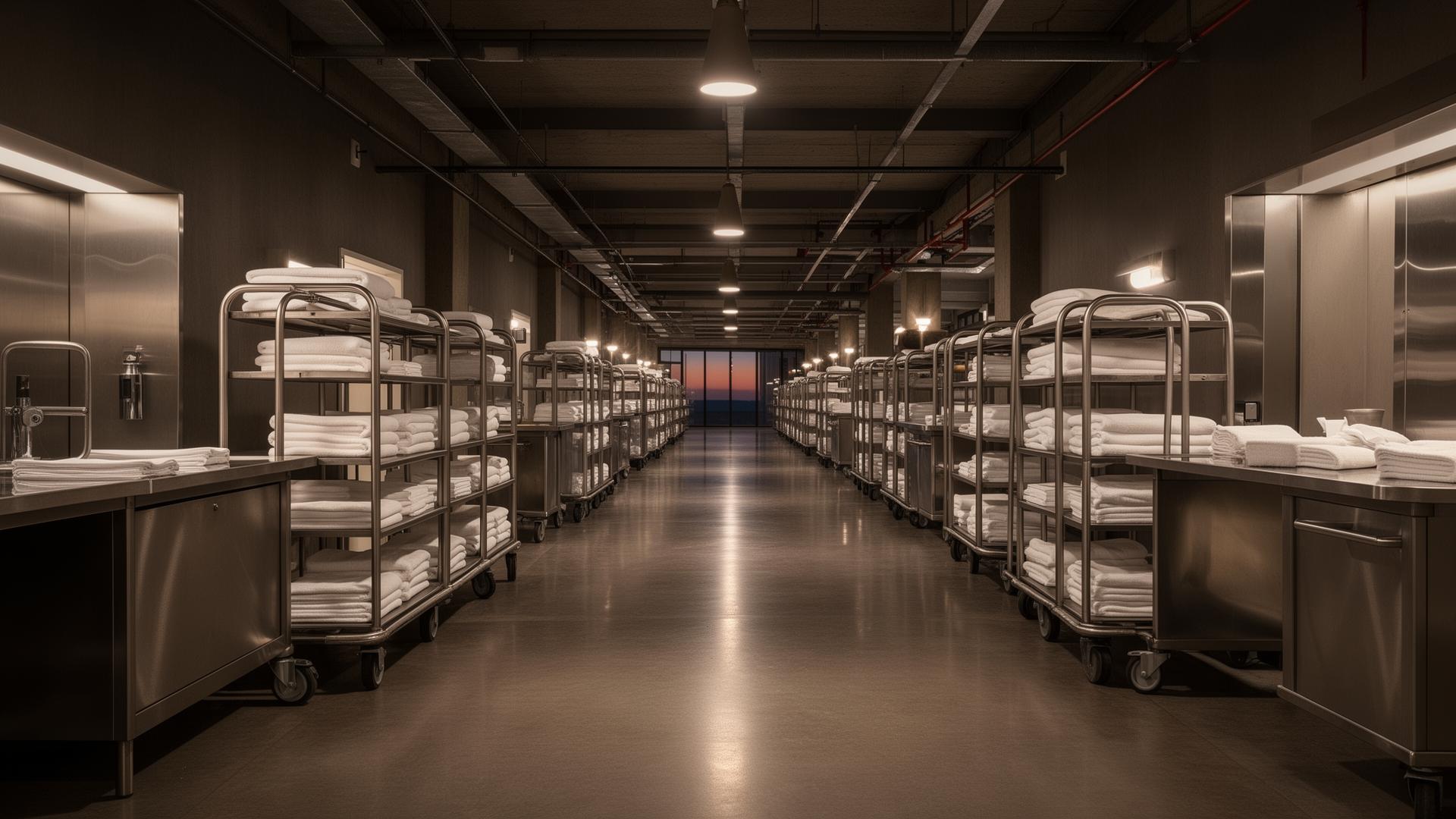
Pressed, packaged linen stored in tropical humidity without environmental control absorbs moisture, develops fold-line discolouration, and harbours mildew within weeks. Storage areas should be dehumidified, ventilated and rotated with first-in-first-out discipline.
Properties that import temperate-climate storage practices typically discover the failure on a guest checkout. Properties that engineer their storage avoid the discovery entirely.
Exterior cadence in monsoon climates
Pool chemistry drifts faster. Garden growth accelerates. Salt corrosion attacks brass, stainless and external fixtures continuously. The maintenance cadence required to keep a premium Phuket property visually defensible is roughly double a temperate-climate equivalent — and underestimating it is the single most common error in first-time tropical property ownership.
Frequently asked
How often should a Phuket villa undergo deep cleaning for mould?
Bathroom and high-humidity zone deep cleans are typically scheduled monthly during dry season and bi-weekly through monsoon, supplemented by daily prevention protocols.
Are dehumidifiers necessary in luxury Phuket villas?
In linen storage, wardrobes and any space without continuous airflow, yes. Dehumidification is materially cheaper than the textile, fixture and finish damage it prevents.
What is the operational cost of ignoring tropical climate impact?
Compounded across a year, our audits suggest neglected climate adaptation increases textile replacement and remediation cost by 25–60% versus engineered properties.
References & further reading
- 01U.S. Environmental Protection AgencyMold Course & Remediation in Buildings
- 02U.S. Centers for Disease Control and Prevention (CDC)Environmental Cleaning & Disinfection Guidance
- 03World Health OrganizationDecontamination and Reprocessing of Linen — WHO/IFC Guidance
- 04Tourism Authority of ThailandTourism Statistics for Phuket & Thailand
Reader Commentary
Be the first to contribute to the conversation.